


The Green Knight


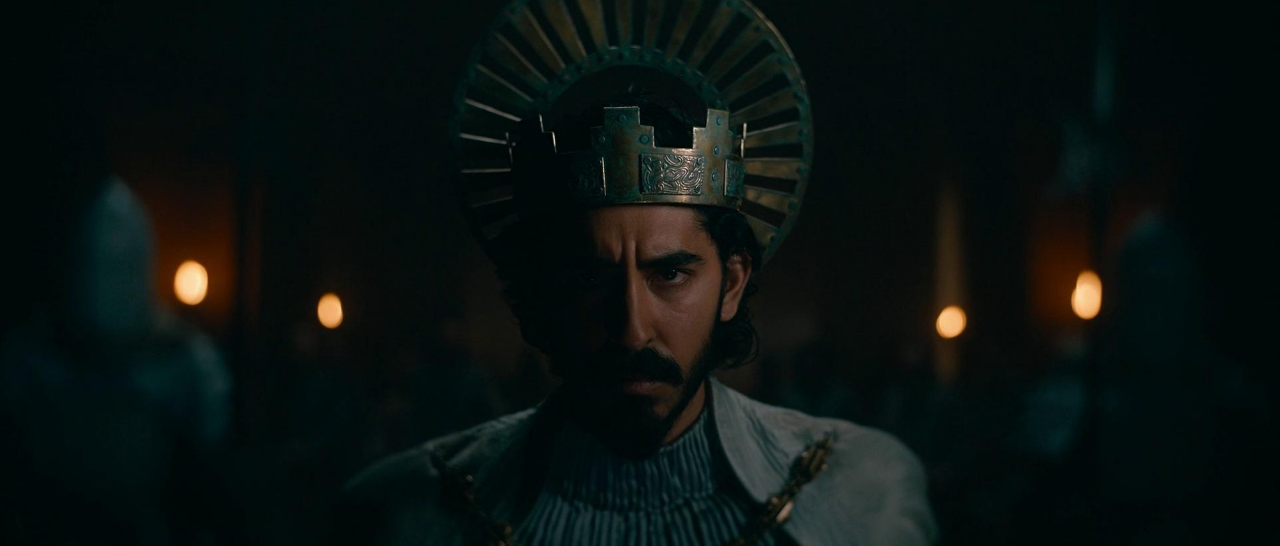


The Green Knight is one of those rare films that feels less like a movie and more like a therapy session disguised as fantasy cinema. Directed by David Lowery and starring Dev Patel, this film takes the ancient Arthurian poem Sir Gawain and the Green Knight and transforms it into a beautiful film that feels deeply personal and emotionally confronting.
What makes this film so special is that it isn’t really about knights, monsters, or quests. It’s about fear. Cowardice. Manhood. Legacy. Mortality. It constantly asks us, the audience, a difficult question "when life finally demands courage from you, will you be ready?"
And by the end of the film, I genuinely found myself reflecting on my own life and my own choices. Am I ready? Am I willing to go through the hardships that I may face as I try to become the person I dream about being.
Story & Themes
So at its core, The Green Knight is about a young man trying to become worthy of the story he wants told about him. He cares deeply about what his legacy would be.
Gawain begins the film immature, directionless, and deeply unsure of himself. He wants greatness, but he has not yet earned it. The Green Knight’s challenge becomes less about physical survival and more about spiritual transformation. Every encounter on Gawain’s journey functions almost like a psychological test, forcing him to confront different aspects of himself: fear, temptation, selfishness, dishonesty, pride.
What I love is how the film never spoon-feeds its meaning. David Lowery trusts the audience and sees them as intelligent. The symbolism does the heavy lifting, but unlike many “artsy” films, the symbolism here feels emotionally connected and purposeful rather than purely for the sake of being 'artsy'.
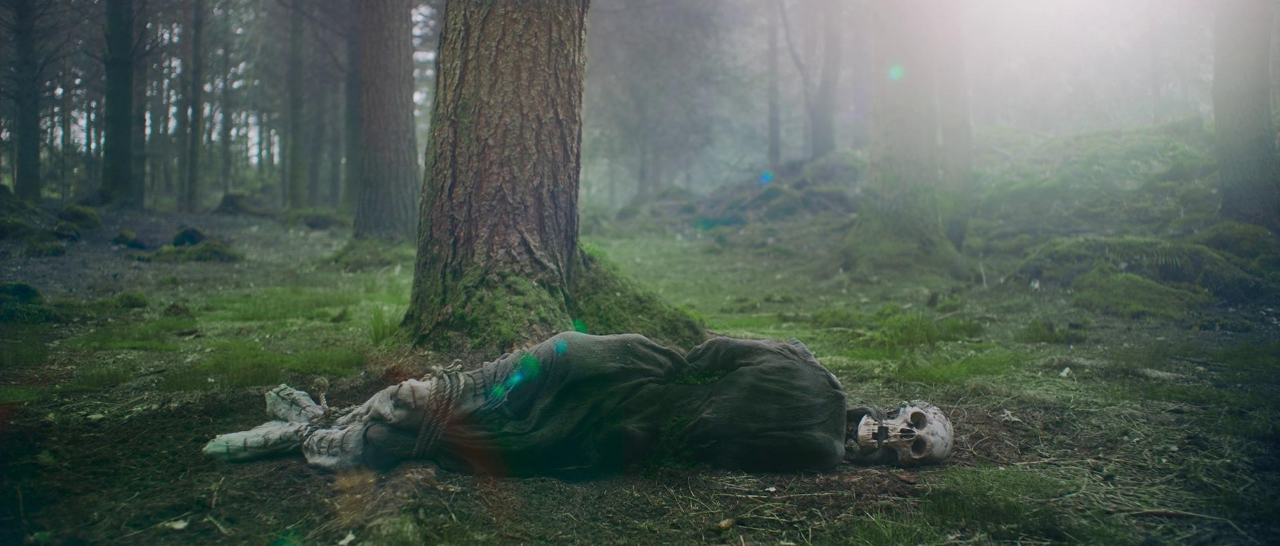
The scene where Gawain is tied up in the forest perfectly captures this after being misled and robbed by the scavengers. The camera slowly rotates around him and suddenly we see his decayed corpse lying there, consumed by time. Then the camera rotates back and he is alive again in the present moment. It’s one of the most powerful visualisations of surrender and cowardice I’ve ever seen in cinema. The film is essentially showing us what happens if Gawain gives into his fears. If he chooses comfort over courage. He has to physically and spiritually find the will to stand back up and continue forward.
And that becomes the entire point of the film. Life eventually arrives at your doorstep and demands something from you. The question is whether you are prepared to face it honestly.
Character & Performances
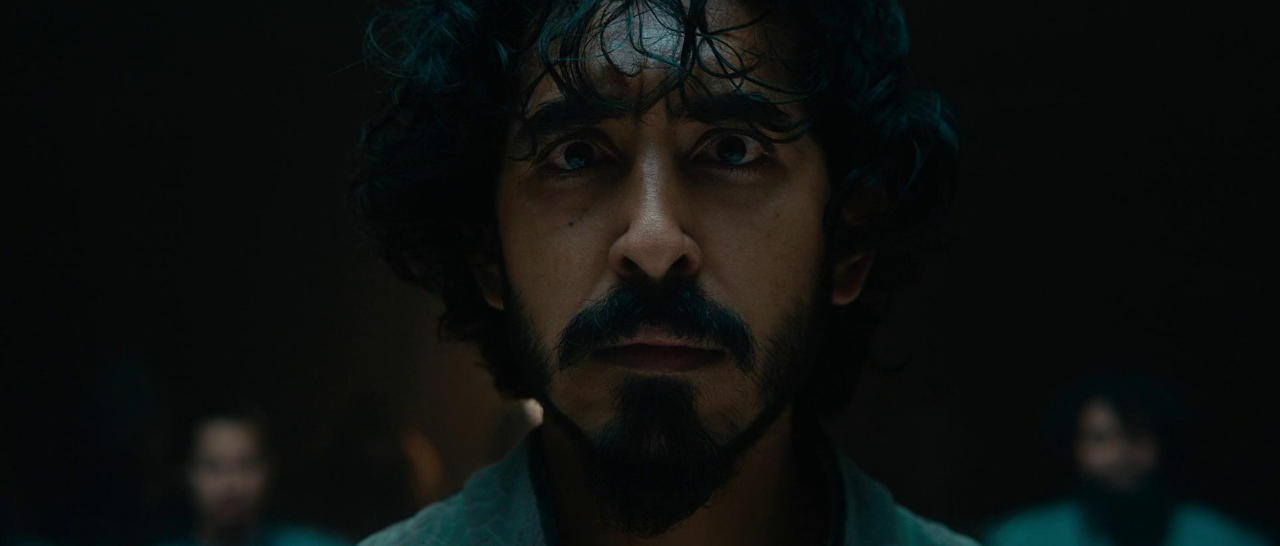
Dev Patel is excellent as Gawain. What makes his performance work so well is that he never tries to force heroism onto the character. He allows Gawain to be weak. Awkward. Frightened. Insecure. And because of that, the transformation feels authentic. This film (combined with the impact of his film Lion) really pushed Dev Patel into a higher bracket as we all, all of a sudden, stood up and took notice of this kid from Slum Dog Millionaire (....or The Last Air Bender.... the less about that shit-show the better!) Patel’s performance is deeply internal. A lot of his acting happens through stillness, hesitation, and expression rather than dialogue. You constantly feel the tension between the man Gawain currently is and the man he desperately wants to become. He really embodies Gawain incredibly well and excels in showcasing Gawain's obsession with his legacy.
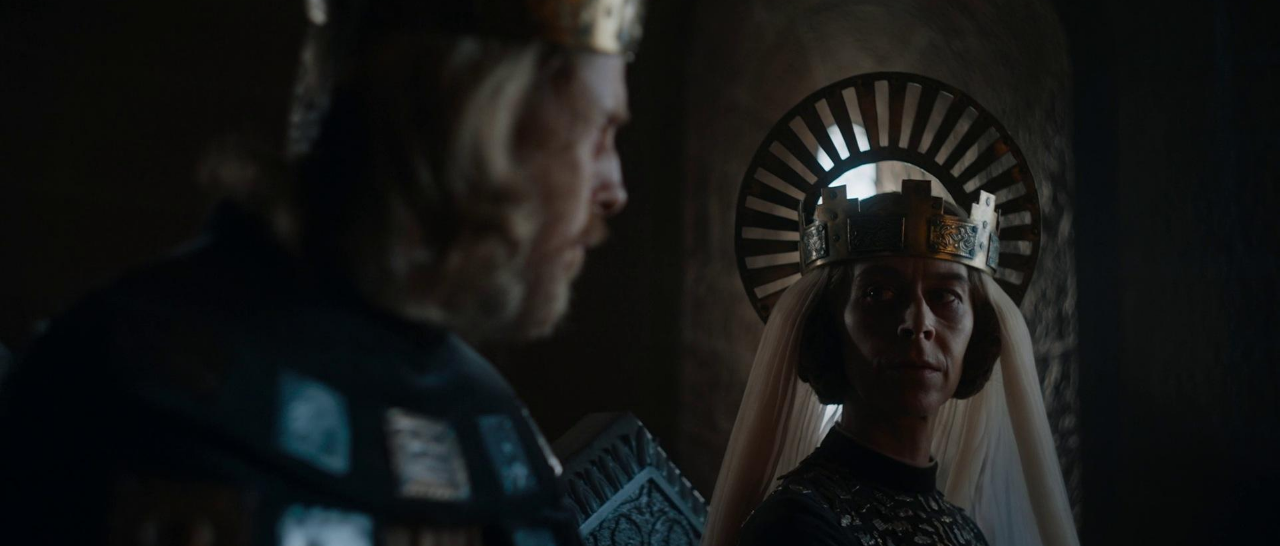
The standout performance for me, however, is Alicia Vikander. The fact that she portrays two mirrored characters is one of the film’s smartest creative decisions. One character represents warmth, intimacy, and earthly love. The other feels almost mythological, seductive, and psychologically invasive. Vikander plays both with incredible subtlety while making them feel spiritually connected.
There’s an intelligence to Alicia Vikander's performance that elevates every scene she’s in. She feels less like a traditional supporting character and more like a manifestation of Gawain’s internal struggles at the polar opposite stages of his journey.
Ralph Ineson also deserves praise as the Green Knight himself. His voice alone carries enormous weight. Calm, ancient, still and almost sorrowful. He doesn’t feel like a villain. Which, I guess, he isn't really. He feels like a tough teacher.
Cinematography & Visual Storytelling
This is genuinely one of the most visually stunning fantasy films I’ve ever seen.
But what makes the cinematography special is not simply that it looks beautiful. It’s that every visual choice is emotionally and psychologically motivated.
Use of Space and Environment
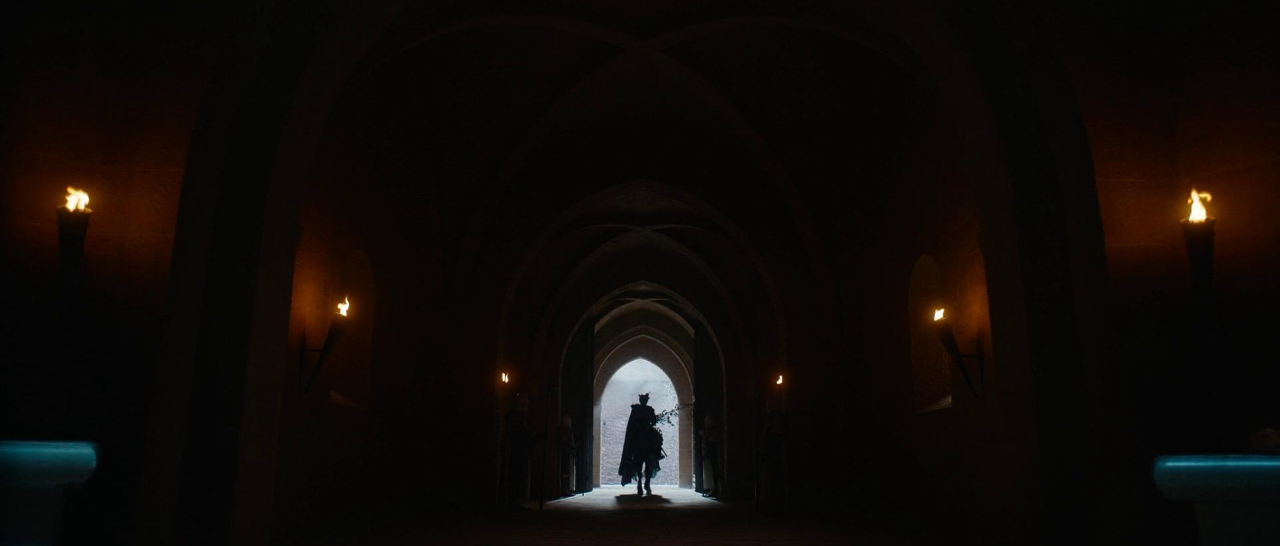
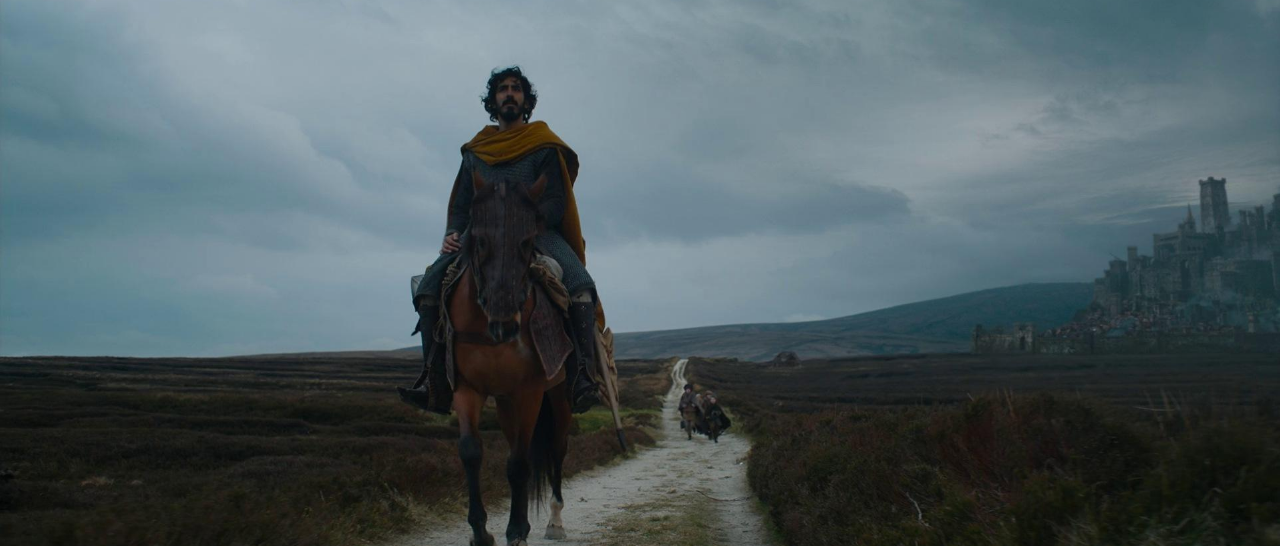
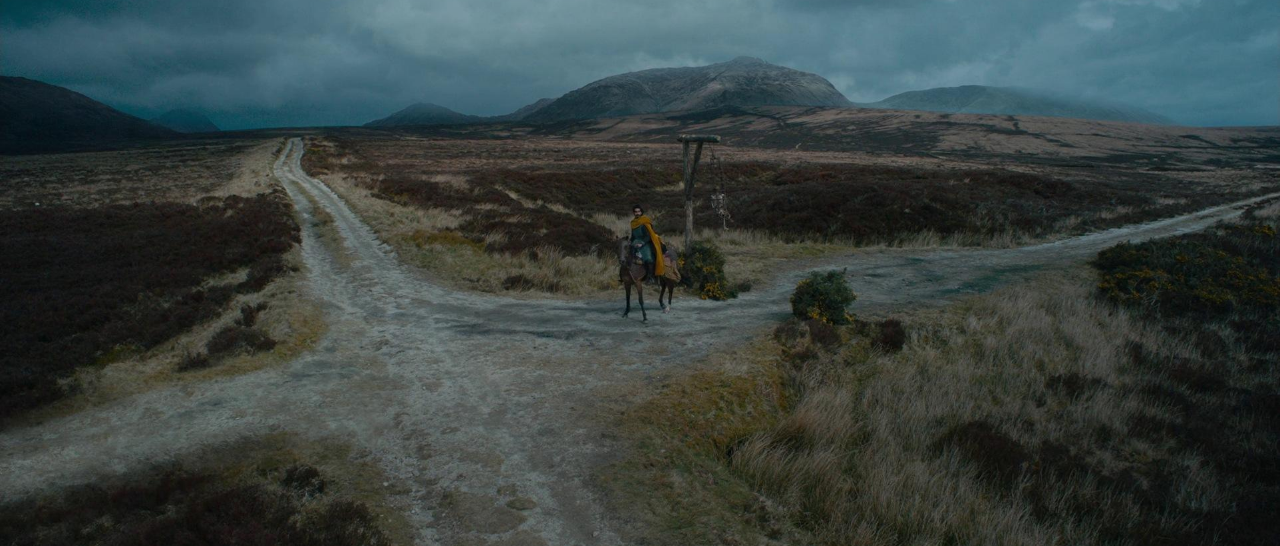
David Lowery constantly uses the environment to reflect Gawain’s emotional state. Forests feel ancient and consuming. Castles feel cold and spiritually empty. Open landscapes feel isolating rather than freeing.
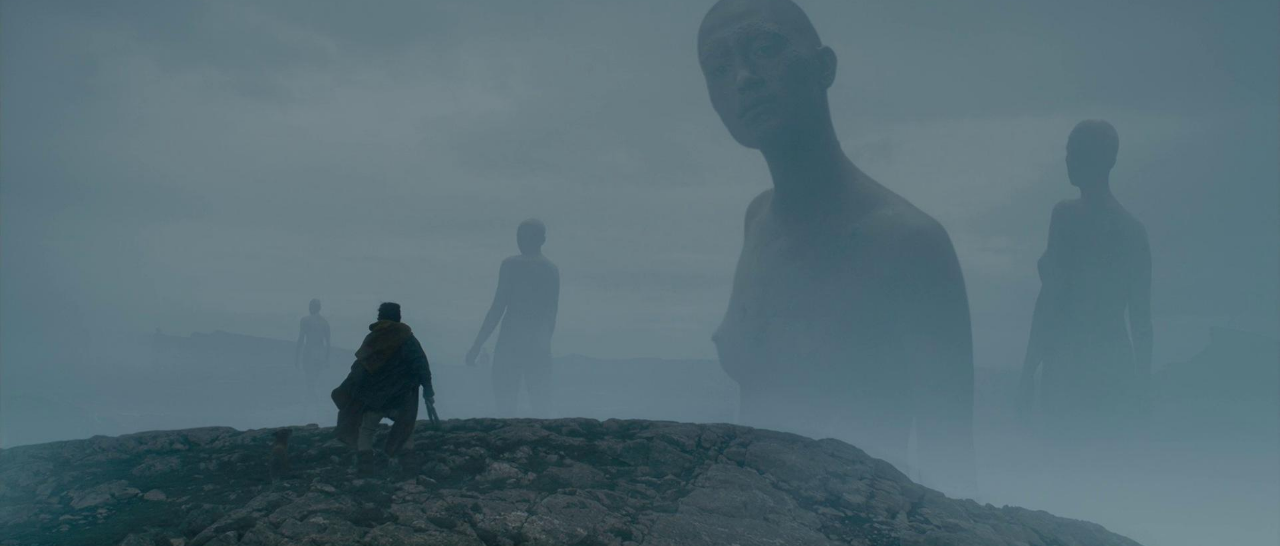
Nature itself almost becomes a character in the film. The world feels alive, mystical, and quietly judgemental. Gawain is constantly dwarfed by his surroundings, visually reinforcing how small and unprepared he is within this larger spiritual journey.
The environments also carry an eerie stillness to them. Time itself feels strange in this world. Moments stretch. Silence lingers. It creates a dreamlike atmosphere that perfectly suits the mythological tone.
Cameras and Lensing
The film was shot digitally on the ARRI Alexa LF, paired with vintage anamorphic lenses that create an incredibly textured and painterly image. The choice of anamorphic glass gives the film soft edges, organic lens distortion, and beautiful falloff in focus, helping the world feel ancient and dreamlike rather than clinically sharp.
Lowery and cinematographer Andrew Droz Palermo frequently use wide lenses close to characters, which subtly distorts perspective and creates unease. It makes Gawain feel emotionally exposed within the frame.
The camera movement is slow, deliberate, and meditative. Long takes allow the viewer to sit inside moments rather than simply observe them. The famous rotating forest shot is a perfect example of camera movement being used as storytelling itself rather than just coverage.
Aspect Ratio and Composition
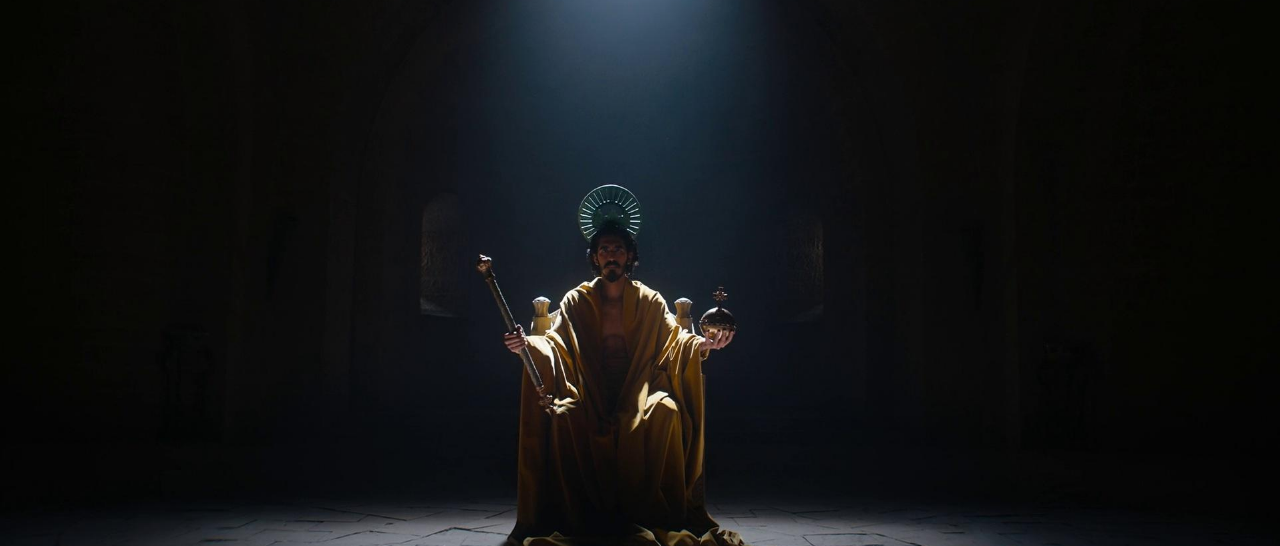
The film’s compositions are extraordinary. Many shots look like medieval paintings brought to life. Characters are often framed centrally, surrounded by symmetrical environments that create a sense of myth and inevitability.
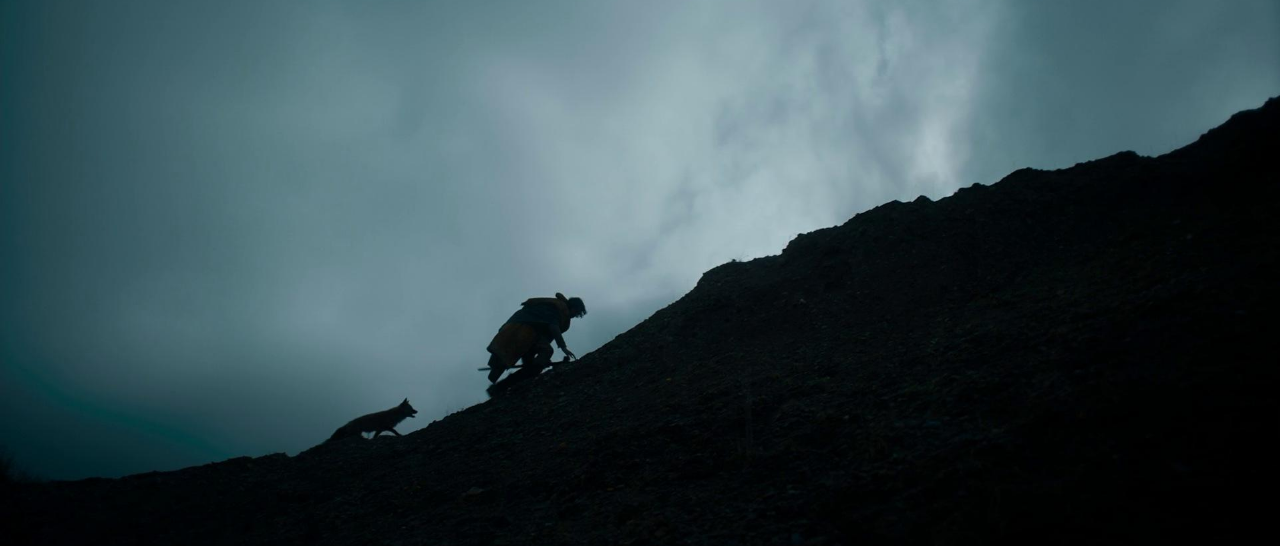
Negative space is used constantly. Gawain is frequently isolated within the frame, visually reinforcing his loneliness and spiritual uncertainty.
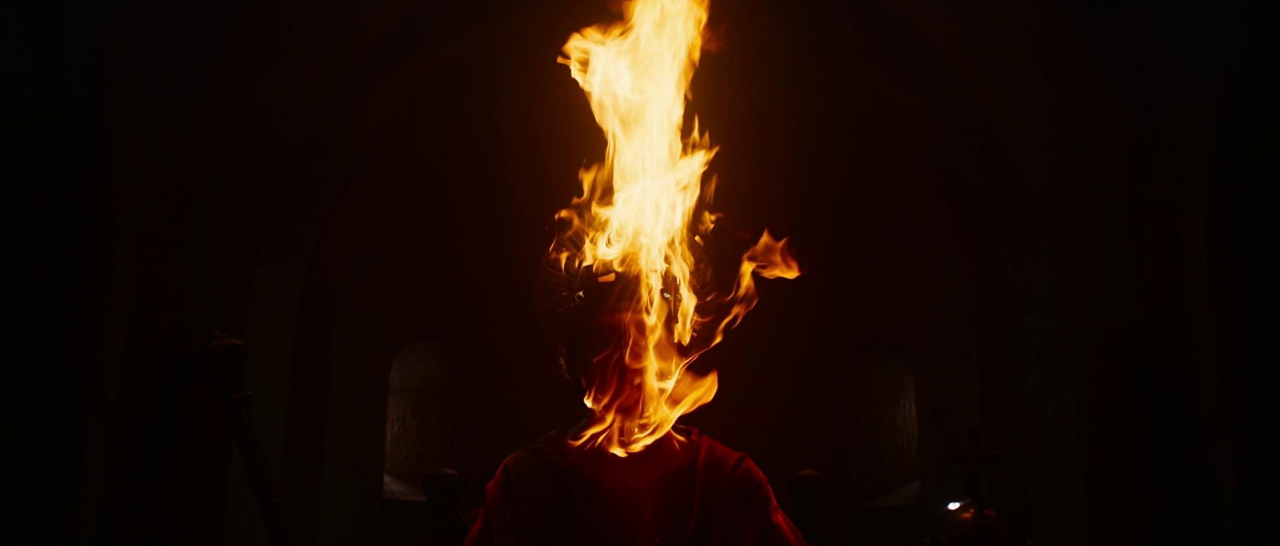
And then there’s that opening shot. Gawain sitting on the throne while the crown slowly lowers onto his head before flames erupt around him. It’s breathtaking visual storytelling. In a single image, the film communicates kingship, destiny, destruction, ego, and mortality.
It’s one of my favourite opening shots in modern cinema.
Lighting, Colour, and Texture
The use of colour is phenomenal throughout the film.
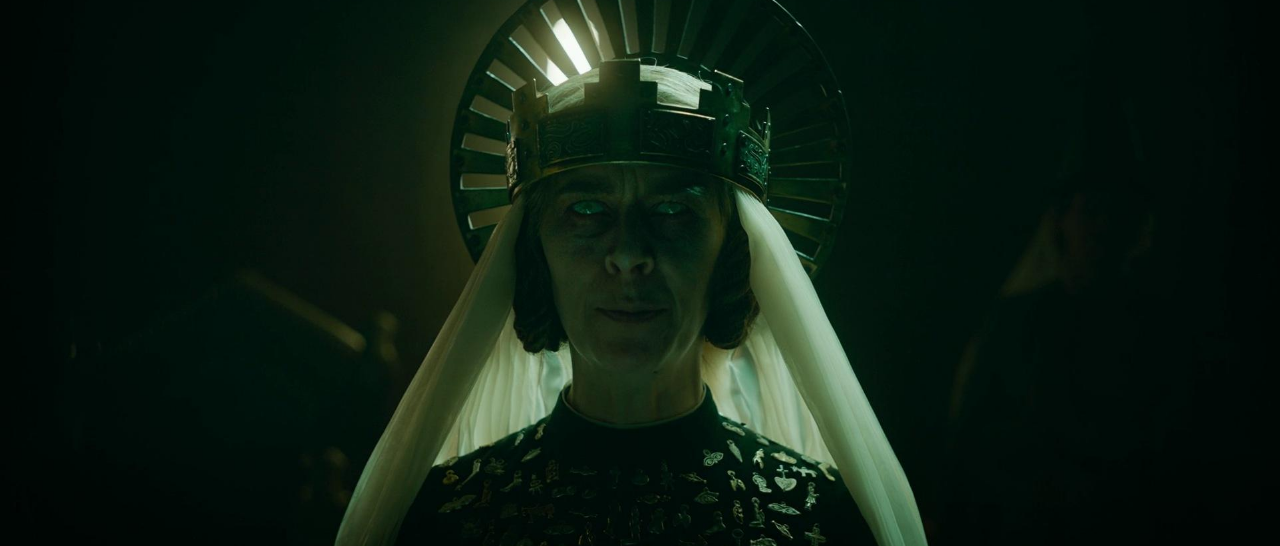
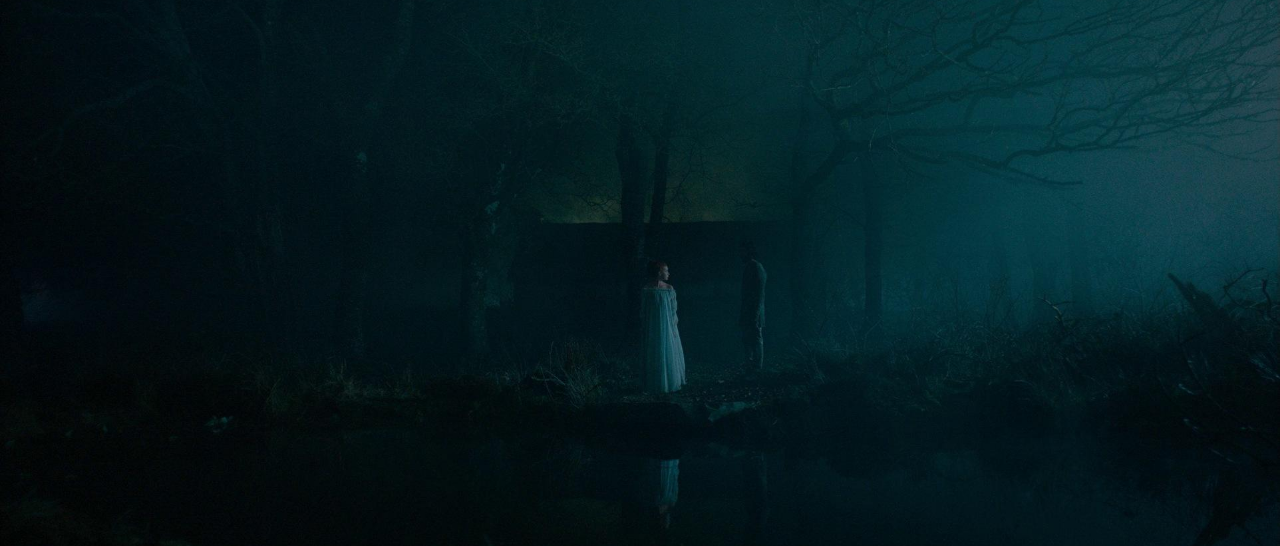
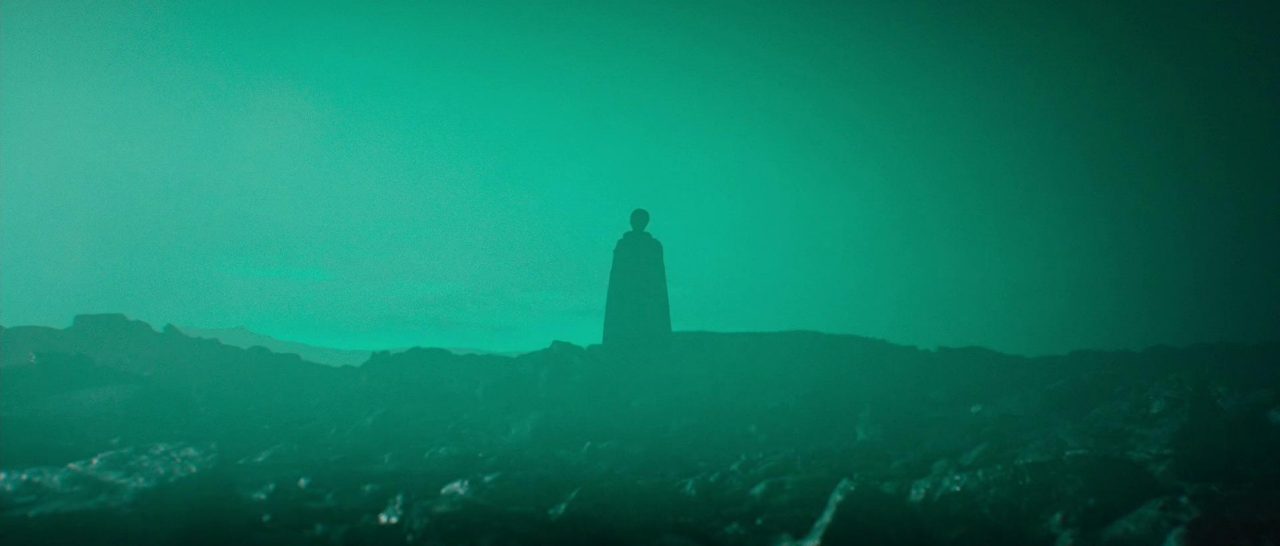
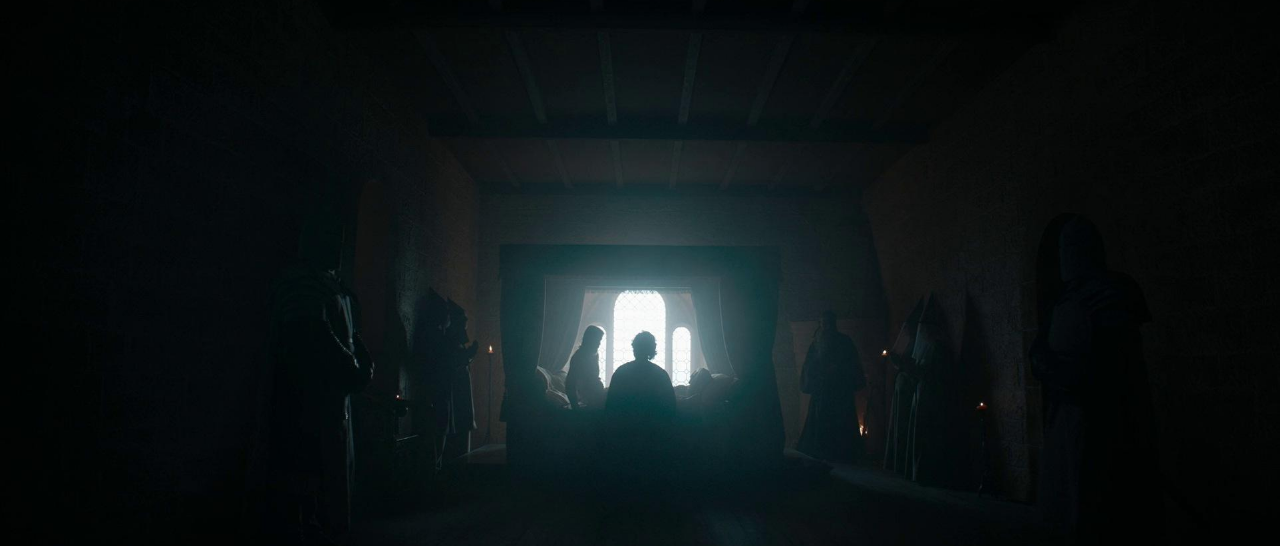
Greens dominate much of the imagery, symbolising nature, decay, rebirth, and judgement. Golds and warm candlelight create moments of false comfort and earthly temptation. Darkness is used heavily, but never in a way that obscures the image. Instead, shadows feel immersive and atmospheric.
The texture of the image itself is beautiful. Nothing feels overly polished. There’s grain, softness, and imperfection throughout the visuals that make the world feel tangible and ancient.
Direction & Pacing
This might be David Lowery at his absolute best.
His direction here is fearless. He fully commits to atmosphere, symbolism, and introspection without losing emotional grounding. That balance is incredibly difficult to achieve.
What I admire most is his patience. He allows scenes to unfold naturally. He trusts silence. He trusts imagery. He trusts the audience’s intelligence.
And despite the fantasy and mystical elements, he never loses sight of the humanity at the centre of the story. The world feels magical, but the emotional struggles feel painfully real.
This film could have easily become pretentious in the hands of a lesser director. Lowery avoids that by ensuring that every artistic choice is connected to emotional truth.
Emotional & Intellectual Impact
By the end of the film, I genuinely found myself reflecting on my own fears, my own moments of hesitation, and those moments in life where you know difficult decisions are waiting for you.
That is the power of this film.
It uses fantasy not as escapism, but as self-reflection. The Green Knight itself almost feels like death, destiny, or judgement slowly waiting for all of us at the end of our personal journey.
And the final confrontation is brilliant because it strips everything away. No spectacle. No grand battle. Just truth.
This film doesn’t just ask whether Gawain is a good man. It asks whether we are willing to face ourselves honestly.
Closing Thoughts
The Green Knight is one of the most visually and emotionally intelligent fantasy films released in years. It transforms an ancient poem into something deeply modern and psychologically resonant.
The performances are fantastic. The cinematography is breathtaking. The direction is masterful. But most importantly, the film has something real to say.
This is fantasy filmmaking used for introspection, not spectacle.
And as a filmmaker myself, this film massively inspired me. It reminded me that cinematography is not just about making beautiful images. It’s about expressing emotion, psychology, and meaning through visual language. A haunting, beautiful, deeply human piece of cinema.
My Favourite Frames
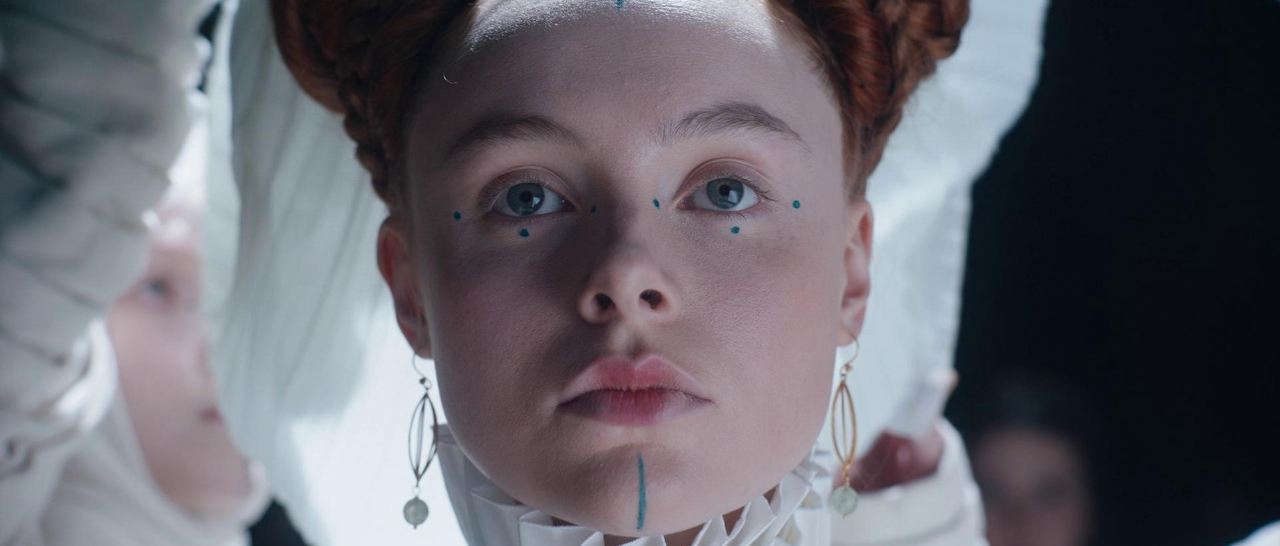


Old age should burn and rave at close of day;
Rage, rage against the dying of the light.” ❤️


