


Disclosure Day


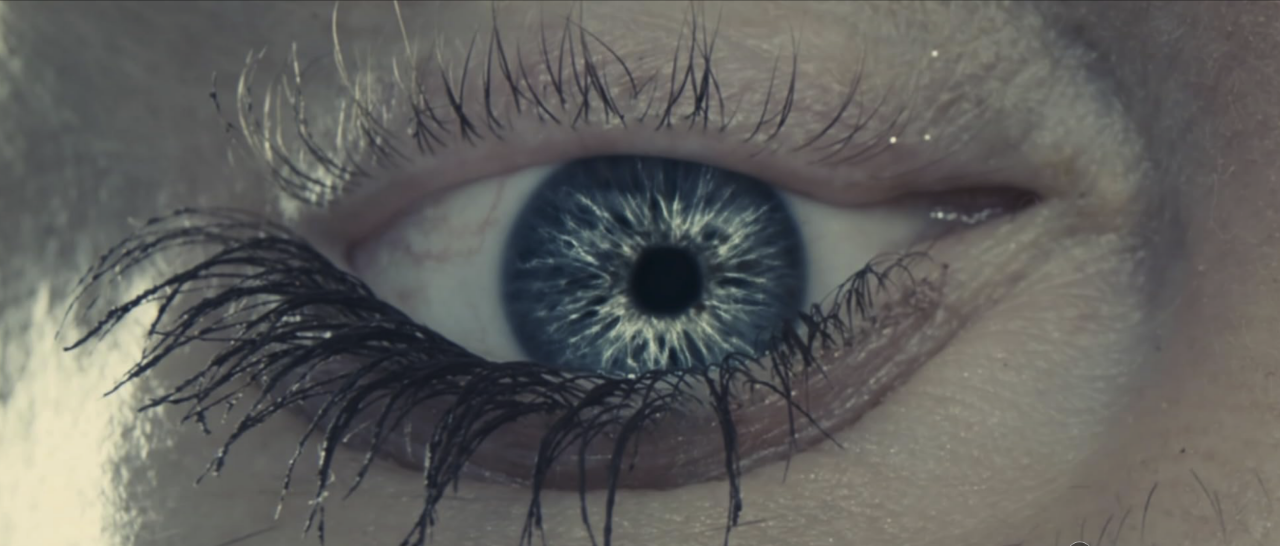


I feel quite strange reviewing Disclosure Day... because on paper this should have been one of my favourite films of the year. It was definitely in my top 3 most anticipated films. A Steven Spielberg science-fiction film centred around extraterrestrial disclosure, government secrecy, philosophy, humanity’s place in the universe, and the question of whether we are truly ready to learn that we are not alone? It's quite literally everything that I want and love in sci-fi. Tell me a human story through a sci-fi lens. I was ready for this film.
The trailers had promised mystery. They promised intrigue. They hinted at a large-scale sci-fi story that would explore humanity’s reaction to one of the biggest discoveries imaginable. Instead, what we get is a confused, unfocused film that never seems to understand what it wants to be. At times it wants to be a philosophical science-fiction drama similar to Arrival. At other times it wants to be a blockbuster conspiracy thriller. Then it suddenly becomes an action movie. Then a mystical fantasy. Then a political drama. Then something else entirely. The result is a film that constantly attempts to ask big questions but rarely provides meaningful answers... actually, most of the time it just forgets it even asked those questions and moves on the next one.
For a filmmaker of Spielberg’s calibre (we're talking best of the best of the very best), this is genuinely disappointing.
Story & Themes
The central question of the film is actually quite interesting: Would humanity be ready to discover that we are not alone?
That is a fantastic premise. The problem is that the film never develops its ideas beyond the most surface-level exploration. Throughout the film we are told that certain characters believe disclosure would be catastrophic for humanity, while others believe the truth should be revealed no matter the consequences. The issue is that almost nobody’s reasoning is properly explored. Take Noah for example. The film eventually tells us that he believes disclosure would lead to disaster and that he wants to prevent the truth from becoming public. Hugo suggests that Noah’s actions are motivated by maintaining power and wealth. But at no point did I feel that. The film never convincingly establishes why Noah believes what he believes. What evidence has he seen? What experiences led him to this conclusion? What makes him so certain that humanity cannot handle the truth? The film never tells us. The same issue applies to almost every major character. Daniel decides to risk everything and expose the truth. Why? Margaret commits herself to the same cause. Why? The audience is repeatedly told that certain actions are “the right thing to do” without ever being shown why these characters personally believe that. As a result, the entire narrative feels built on decisions rather than motivations. Characters constantly make choices, but we rarely understand the emotional or philosophical foundations behind those choices. This becomes an even bigger problem because the film never clearly defines how we are supposed to feel about the aliens themselves.
Are they victims?
Are they superior beings?
Are they dangerous
Are they benevolent?
Should we fear them?
Should we feel empathy for them?
The film seems unsure. One scene portrays them almost like gods. Another portrays them as helpless creatures. Another suggests they are guiding humanity’s evolution. Another implies they are simply refugees. The film constantly shifts its position without ever committing to one. By the end, I wasn’t wrestling with big philosophical questions. I was simply confused.
Character & Performances
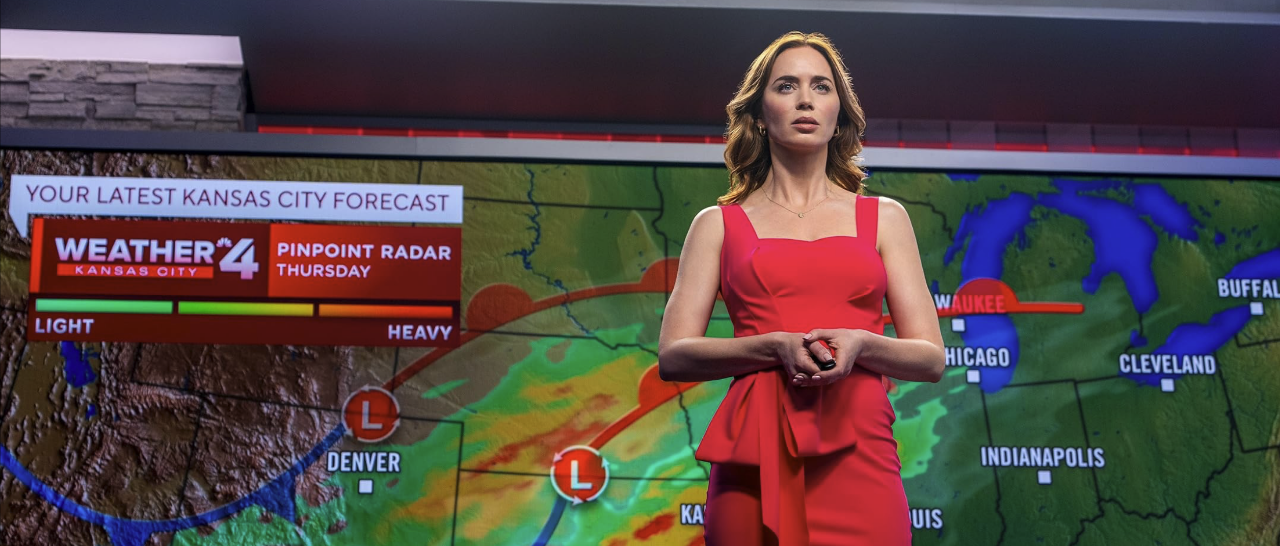
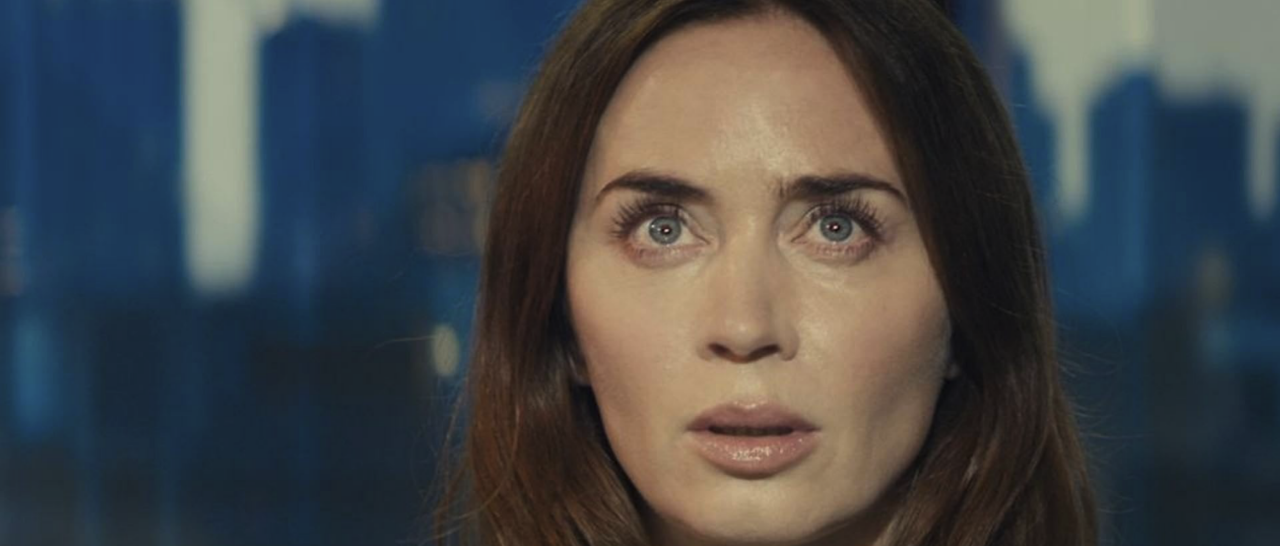
Ironically, the strongest aspect of the film is its cast. The performances range from solid to very good, even when the material lets them down. Emily Blunt delivers one of the strongest performances in the film. However, I personally felt she was miscast. This is not a criticism of her acting ability. Far from it. Emily Blunt is one of the best actors working today and she brings genuine emotional weight to Margaret. The issue is that the character itself feels written as someone much younger. Margaret’s behaviour, decision-making, emotional maturity, career stage, and overall demeanour all feel more aligned with someone in their late twenties or very early thirties. Emily Blunt’s presence brings a completely different energy. She performs the role extremely well, but throughout the film I constantly felt like the character and the actor belonged to two different versions of the story. Colman Domingo is excellent. Every scene he appears in gains a level of credibility and authority. Even when the script becomes vague, he remains compelling because of his natural screen presence.
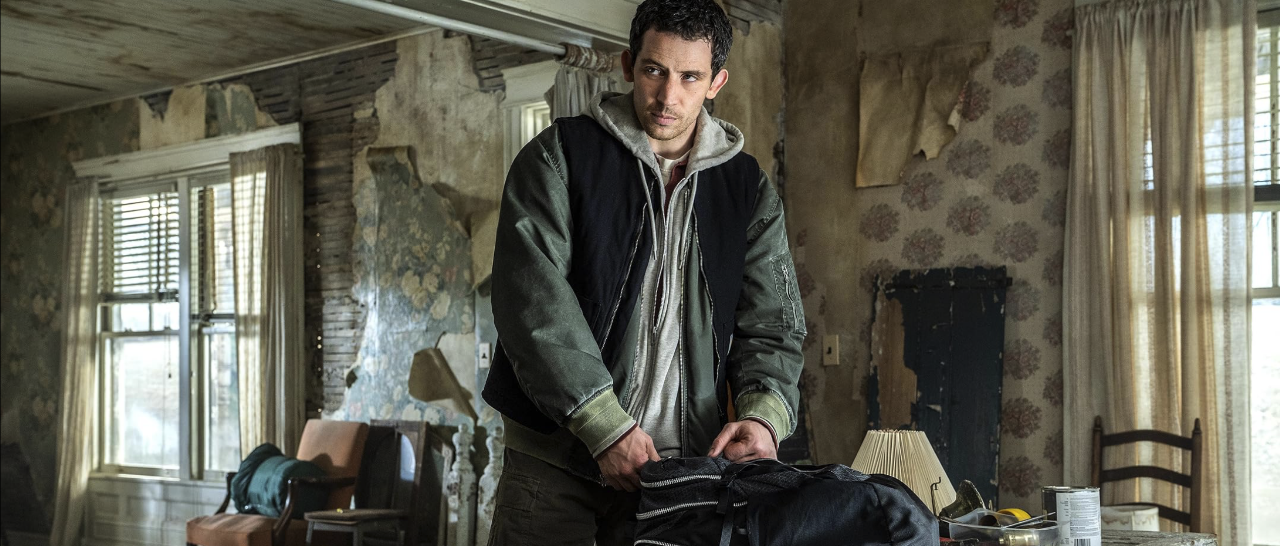
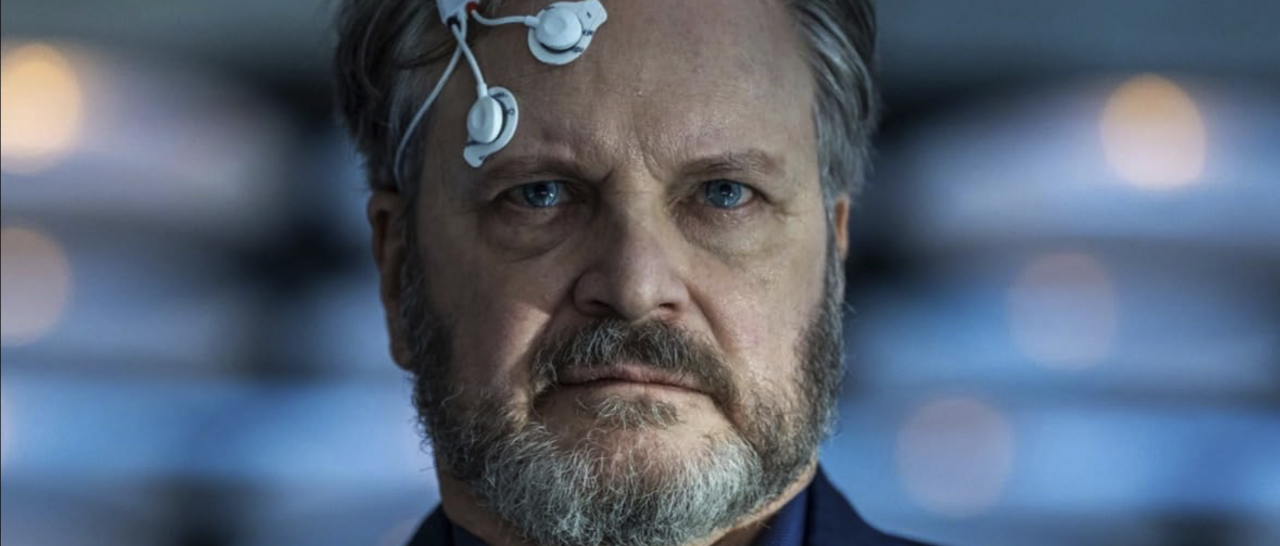
Josh O’Connor is perfectly watchable as Daniel, but the character itself suffers from the same issue affecting much of the film.His motivations are incredibly unclear. He goes from loyal employee to rebel whistleblower, but the emotional bridge between those two versions of the character never feels properly constructed. Colin Firth unfortunately receives the weakest major character. Noah feels less like a human being and more like a generic sci-fi villain archetype. His motivations are underdeveloped. His worldview is underdeveloped. His goals are underdeveloped. And because of that, the conflict never carries the weight it should.
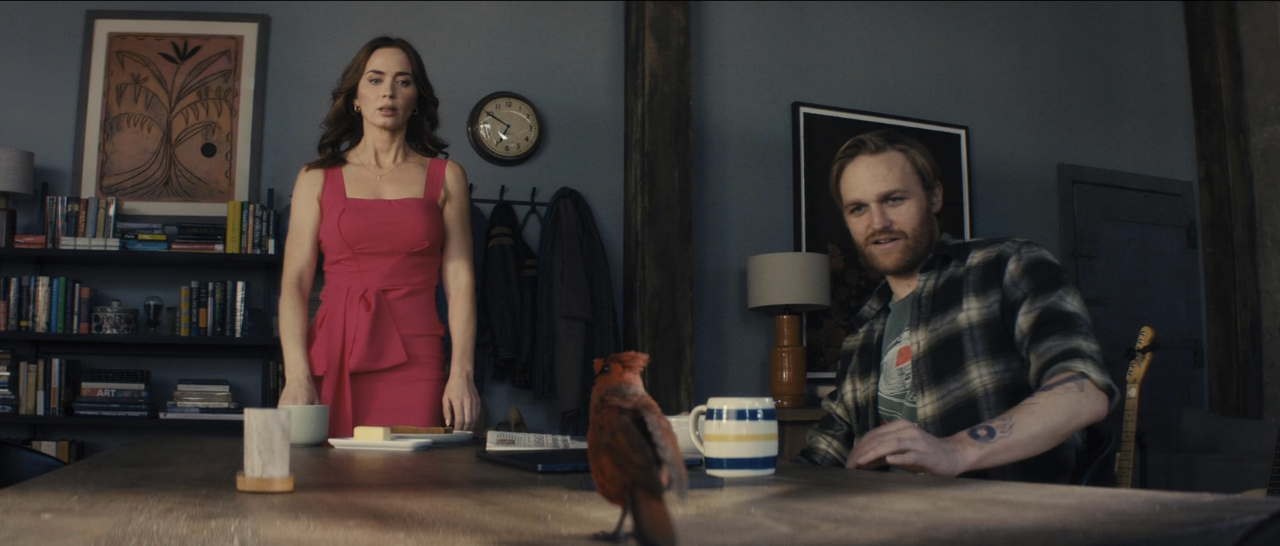
Eve Hewson’s Jane and Wyatt Hawn's character Jackson, both feel almost entirely unnecessary. Eve slightly less so as her character is supposed to the audience's pov. She is unsure where she stands. Her character also presents us with questions religion and faith, in a world where we are not alone and there is other life in the universe. Eve Hewson's performance is solid. She is a terrific actor but I think the writing does not help her. Some of the dialogue felt light and generic. Both of these characters exist within the story, but rarely feels essential to it. By the end of the film I found myself questioning what narrative purpose either of them actually served.
Cinematography & Visual Storytelling
This may be my most controversial opinion regarding the film. I thought the cinematography was poor. Not poorly executed from a technical standpoint. Poorly executed from a storytelling standpoint.
Cameras and Lensing
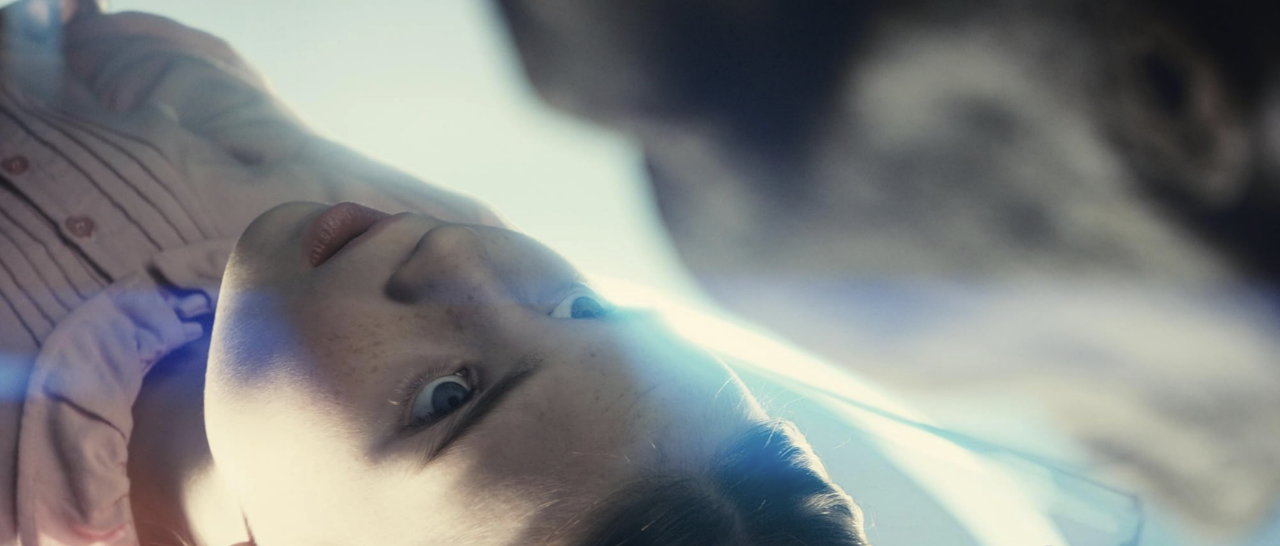
The film constantly feels obsessed with looking cinematic rather than actually being cinematic. Lens flares appear everywhere. Not occasionally. Not strategically. Constantly. There are scenes where the flares become so distracting that they actively pull attention away from the characters and story. A good visual technique should support the narrative. These flares often feel like decoration. The visual language frequently screams: “Look how beautiful this shot is.”
Rather than: “Look what this shot is communicating.”
There is a difference.
Use of Space and Environment
The film contains some impressive locations, but rarely uses them effectively. Many environments feel disconnected from the story being told. The mysterious farmhouse. The warehouse. The forests. The alien crash sites. The underground facilities. All of these locations look visually interesting, yet very few feel narratively meaningful. Compare this to films like Arrival, where every environment helps reinforce theme, mystery, and character emotion.
Here, locations often feel like places where scenes happen rather than places that enhance storytelling.
Consistency and Intent
The biggest visual problem is tonal inconsistency. Everything about the cinematography suggests a serious, thoughtful science-fiction drama. The colour palette. The camera movement. The framing. The atmosphere. Yet the script frequently behaves like a blockbuster action adventure.
The visuals and storytelling feel like they belong to two completely different films.
Direction & Writing
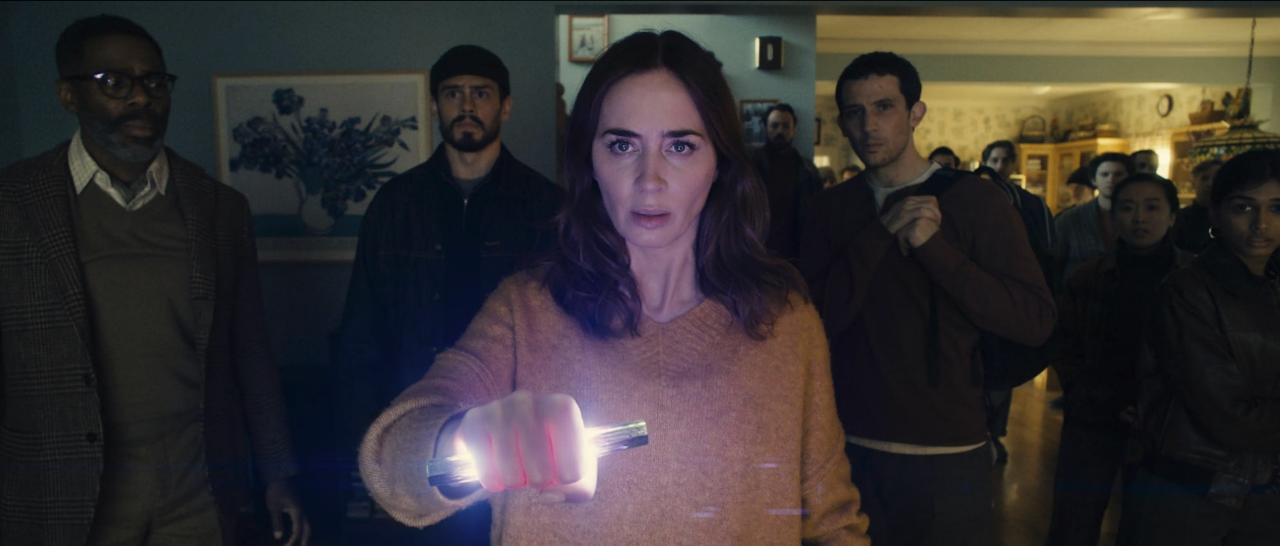
This is going to be a painful section to talk about as it's the most disappointing aspect of the entire film. Spielberg is one of the greatest directors who has ever lived. Which makes the shortcomings here even more surprising. The pacing constantly fluctuates between slow philosophical conversations and rushed action sequences. Many scenes feel underdeveloped. Others feel overextended. Several moments require the audience to simply accept things without explanation. The mysterious alien device is perhaps the clearest example. The film introduces this object early on. We never truly understand where it came from. We never understand how people acquired it. We never fully understand its limitations. Most importantly, we never understand how characters know what it can do. At one point Margaret uses it to make people and objects invisible. How? Why? How does she know it can do that? Later she uses it to power an entire building. Again, how? The device effectively becomes a magical solution generator. Whenever the plot needs something, the device suddenly gains a new ability. This feels less like science-fiction and more like narrative convenience.
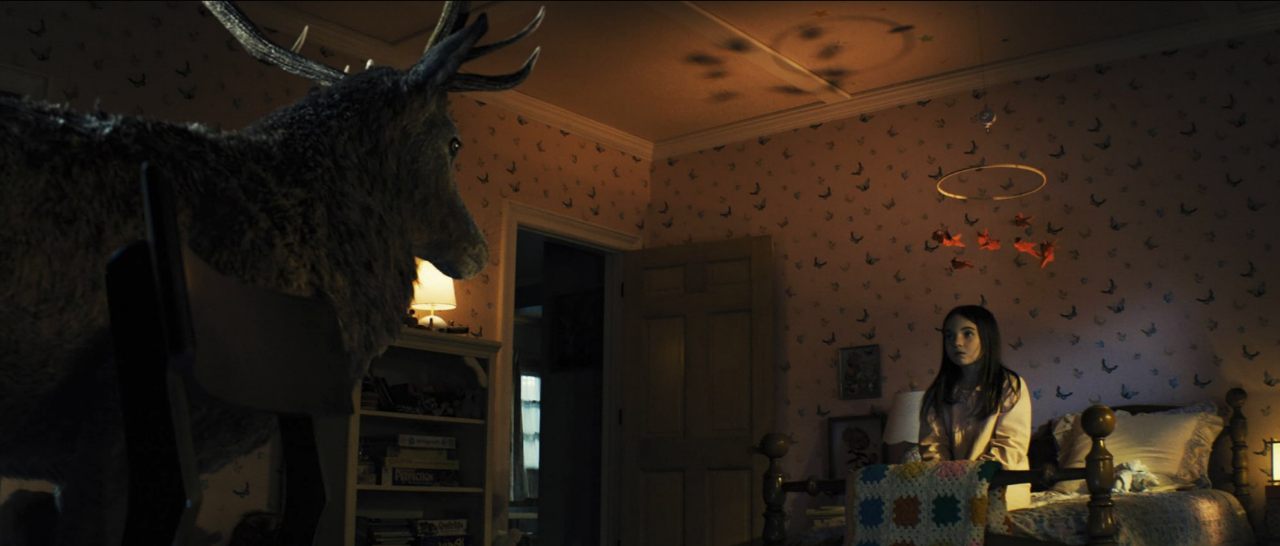
The same issue appears repeatedly throughout the film. Why were Daniel and Margaret chosen? What exactly happened during Margaret’s childhood encounter? Why were animal forms guiding her? What was occurring during the procedures involving the children? The film introduces mysteries far faster than it answers them. Eventually it reaches a point where the audience stops being intrigued and starts becoming frustrated. The action scenes also suffer from a surprising lack of attention to detail. The train sequence stood out immediately. Characters cling to the outside of a fast-moving train, yet their clothing and hair barely react to the wind. It feels artificial. Then there are several stealth sequences where characters hide in places they absolutely should not be able to hide. Daniel sneaking around near hundreds of soldiers at the farmhouse never feels believable. The later sequence where characters hide behind a rock only a few feet away from trained operatives is even worse. These moments may seem small individually, but collectively they chip away at immersion.
Emotional & Intellectual Impact
What frustrated me most is that I can see the version of this film that could have worked. The ingredients are all here. The mystery. The philosophical questions. The moral conflict. The alien disclosure premise. The talented cast. The legendary director. Yet none of it comes together. Instead of feeling wonder, I felt confusion. Instead of feeling fear, I felt uncertainty about what the film wanted me to fear. Instead of feeling emotional connection, I spent much of the runtime trying to understand what was actually happening and why. The film constantly gestures towards profound ideas without ever fully exploring them. And because of that, its emotional impact is surprisingly limited.
Closing Thoughts
Disclosure Day feels like a film that mistakes mystery for depth. It raises fascinating questions but rarely develops them.It introduces compelling ideas but rarely explains them. It features talented actors who are often stranded inside underwritten characters. The cinematography is visually flashy but frequently distracting. The direction lacks the clarity and precision that I normally associate with Spielberg. Most disappointing of all, the film never establishes what it wants us to think or feel about the central mystery at the heart of the story.
By the end, I wasn’t left contemplating humanity’s place in the universe. I was left wondering why so many important story decisions, character motivations, and world-building elements had been left so vague. For me, this is unfortunately a rare miss from one of cinema’s all-time great filmmakers. The concept is there! there is something there! I really believe that. In another timeline, Steven Spielberg gives a version of Disclosure Day which is one of great sci-films of this era. Unfortunately, it's the opposite. Entirely forgettable.
My Favourite Frames



Old age should burn and rave at close of day;
Rage, rage against the dying of the light.” ❤️


